A well-planned home CCTV system lets you see who is at the door, keep an eye on elderly parents or children, and gives you evidence if something goes wrong. Here is a simple, practical way to plan one.
Step 1: Decide where cameras are needed
- Main entrance / door — the most important camera; it should clearly capture faces.
- Gate and parking — to monitor vehicles and visitors.
- Staircase or lobby — common in independent floors and builder flats.
- Back door, balcony or terrace access — common entry points for intruders.
- Inside the home (optional) — living room or near elderly family members, with privacy in mind.
Step 2: Pick the right camera style
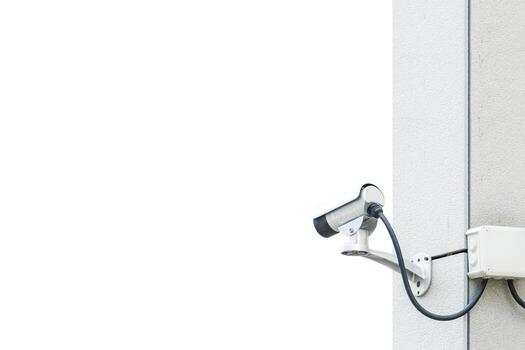
Dome cameras are discreet and suit indoor ceilings and covered porches. Bullet cameras are more visible (a deterrent in itself) and are better for outdoor walls and long views such as gates and driveways.
Step 3: Resolution and night vision
2MP (1080p) is enough for most indoor spaces. For the main entrance and gate, 4MP or above gives better facial and number-plate detail. Consider colour night vision cameras for outdoor spots so that night footage shows clothing and vehicle colours, not just black-and-white shapes.
Step 4: Wi-Fi camera or wired CCTV?
| Wi-Fi camera | Wired CCTV system | |
|---|---|---|
| Setup | Quick, minimal wiring | Needs cabling to a recorder |
| Reliability | Depends on Wi-Fi strength | Very stable |
| Storage | SD card or cloud | Hard disk in DVR/NVR |
| Best for | 1–2 cameras, rented homes | Whole-house coverage |
For more than two or three cameras we recommend a wired system — it records continuously, doesn't drop out when Wi-Fi is weak, and keeps all footage in one place.
Step 5: Mobile viewing and alerts
All major brands such as Hikvision, CP Plus and Dahua offer free mobile apps for live view and playback. Ask your installer to set up the app on every family member's phone and to configure motion alerts only for the zones that matter, so you don't get flooded with notifications.
Add-ons worth considering
- A video door phone so you can see and talk to visitors before opening the door.
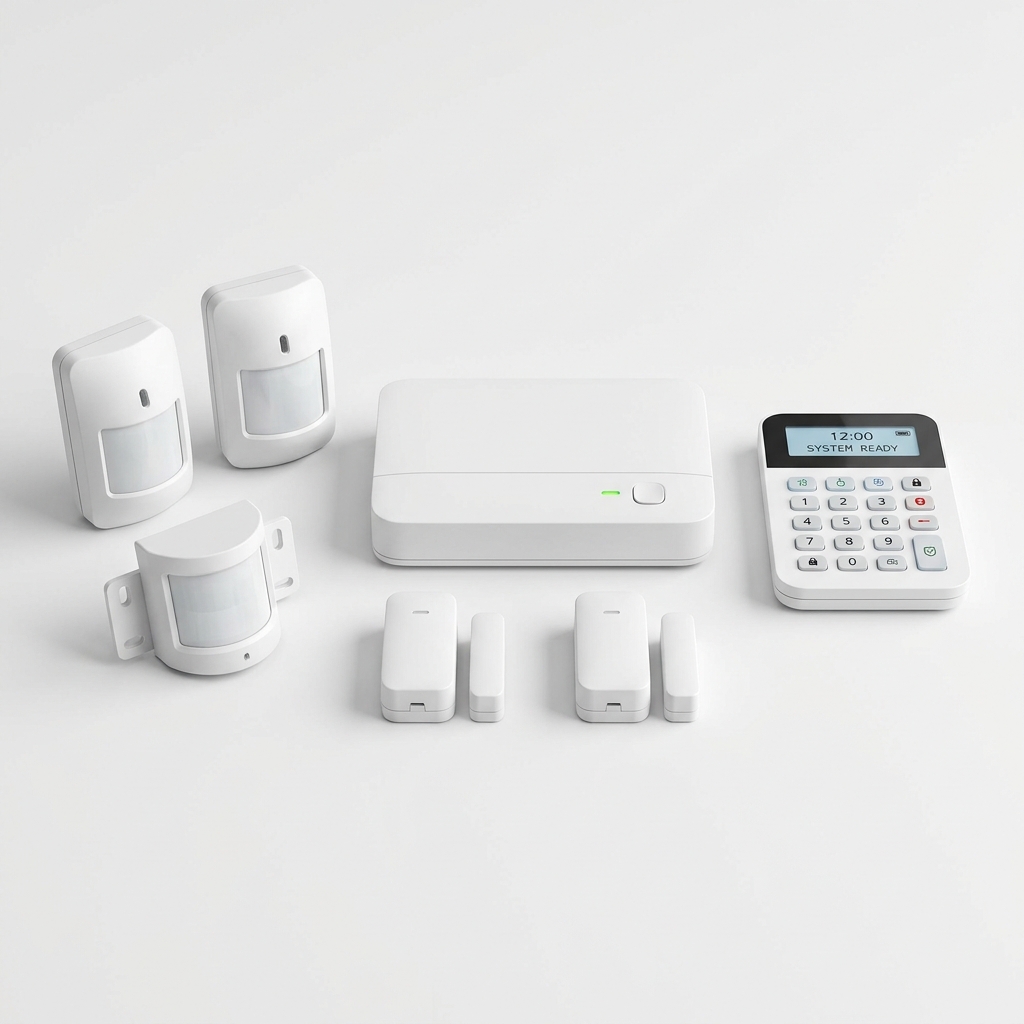
- An intrusion alarm for when the house is locked and empty.
- A small UPS so cameras keep recording during power cuts.
Frequently Asked Questions
How many CCTV cameras do I need for my house?
A typical independent floor needs 3–4 cameras (entrance, staircase/lobby, parking and one indoor). Larger houses and kothis usually need 6–8 or more for full coverage.
Can I watch my home CCTV on my mobile?
Yes. Once the recorder is connected to the internet, you can watch live and recorded footage on the brand's free mobile app from anywhere.
Will CCTV work during a power cut?
Only if the cameras and recorder are on a UPS or inverter. We recommend connecting the CCTV system to backup power so that recording doesn't stop.
Get expert advice for your site
Tell us what you need and our technician will call you back with recommendations and a free quote.